
Season Three opened with a new co-host at the table, a third consecutive gubernatorial proclamation, a rebuilt family tracker, five Community Support Zones, and six Arizona hospitals agreeing to sit around one table. One hour, four audiences — and a working thesis underneath all of it: no part of this works alone.
Opening the season
Dr. Robert Gillio set the frame before any of the announcements landed.
“Every day is Sickle Cell Awareness Day in my mind.”
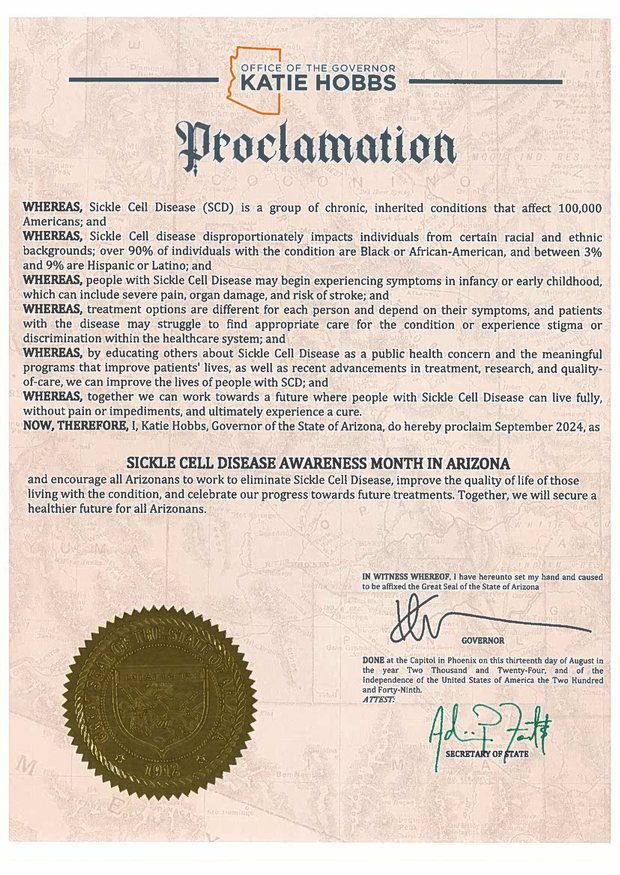
Moses Akpan opened with news: for the third consecutive year, Arizona’s governor has issued a proclamation recognising September as Sickle Cell Awareness Month. He thanked the board, the clinical partners, and — first among them — the warriors. Then he introduced the season’s new co-host, Mike Pogge, MSN, AGACNP-BC, an acute care nurse practitioner he met through a project with Banner in Gilbert. Moses’s reason for asking him was short: “he is encyclopedia.”
Mike put the question the hour kept circling back to: is the acuity, the pain, and the care crisis in sickle cell getting worse, staying the same, or getting better?
For families living with sickle cell
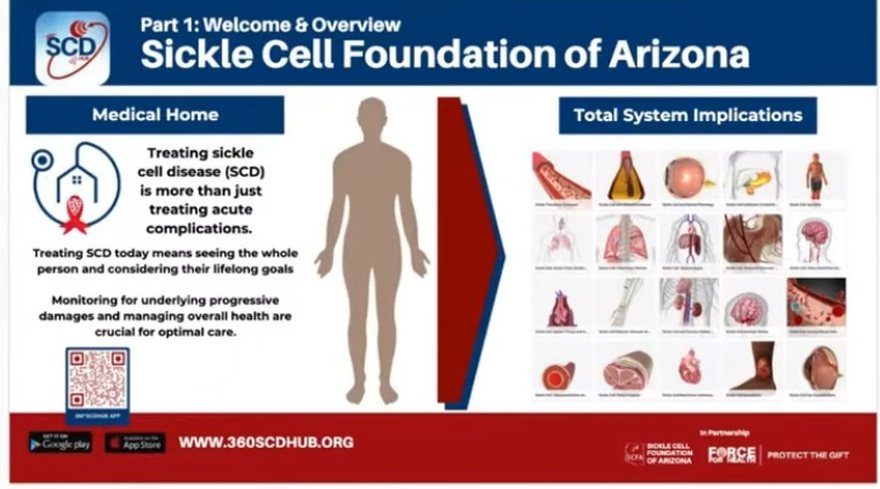
Dr. Rob started where the disease actually lives. Blood reaches every organ, so a clot or a temporary blockage can strike the kidney, the heart, the brain, even the eye — and it hurts wherever it lands. That is why so many different organisations recognise sickle cell: there is almost no system it leaves alone.
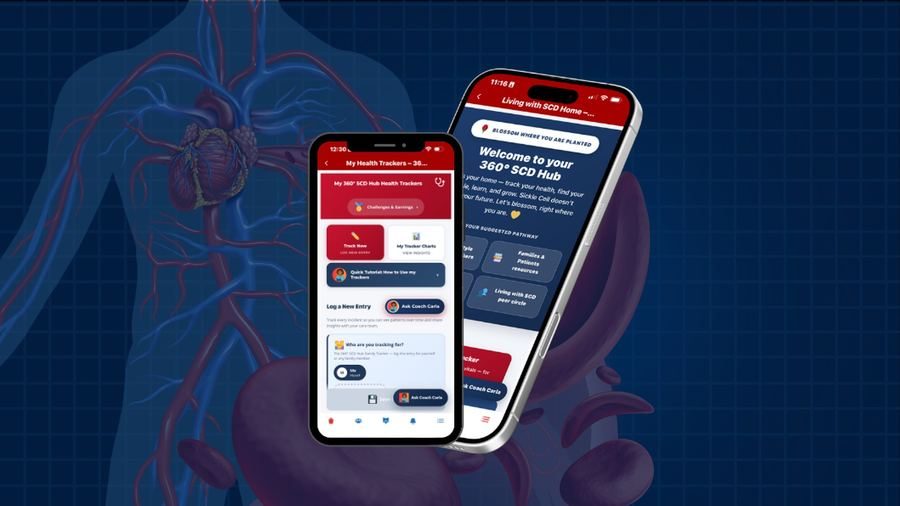
The Family Health Tracker was shown live. One account now covers a whole family — a parent logging a child’s crisis, a warrior logging their own, each with their own charts and reports. It stays free. Dr. Rob made the case for it in a single word.
“The importance of the tracker is, I’ll use one word: patterns.”
Moses put the problem plainly. A crisis three weeks ago is hard to recall accurately in a fifteen-minute appointment, and the disease gives a clinician nothing to look at.
“Sickle cell crisis doesn’t appear on a person’s forehead.”
“My son was six foot one, hundred and ninety pounds, was running track. You couldn’t look at him on the face and say he had sickle cell disease.”
A tracked pattern is what a family carries into the room instead of a memory. Coach Lucy named who usually does that carrying.
“Oftentimes the mom is the CEO of the family.”
Blossom Where You Are Planted was introduced properly. Rather than run outreach from a central office, SCFA has elected community leaders inside each of five zones — people who already live there and are already trusted.
“Blossom Where You Are Planted is to motivate and encourage the sickle cell individual, the sickle cell family, that in spite of the sickle cell disease, and maybe for the sake of it, you can still fulfill your life purpose.”
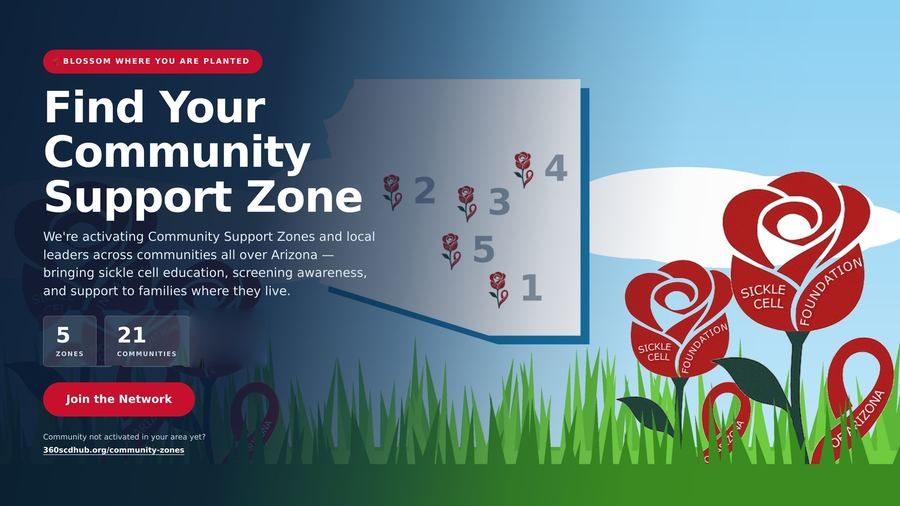
Akilah, a community health worker who lives with sickle cell, joined to say what that changes on the ground.
“It’s always great to be able to have somebody else that understands without you having to explain.”
For the medical community
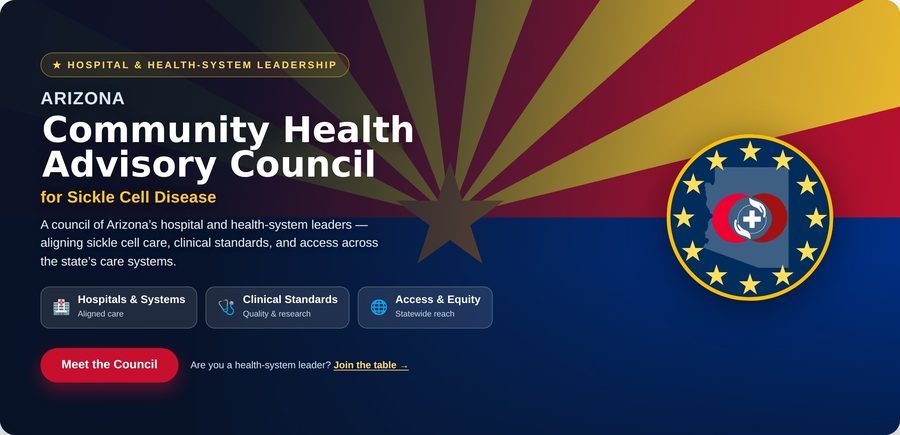
Moses named the founding members of the Arizona Community Health Advisory Council: Banner Diamond Children’s, Phoenix Children’s Hospital, Banner Thunderbird Medical Center, Banner University Medical Center, Banner Gateway Medical Center and Banner Desert Medical Center. Six hospitals, one table. He thanked the Arizona Department of Health Services for its support.
“When you think about a disease like sickle cell disease that impacts the blood … it touches every single cell in the body.”
“If you have met one sickle cell patient, you have met one sickle cell patient — because the disease manifests so differently with each patient.”
Dr. Rob answered with his own experience — and it made the case for the tracker better than any statistic could.
“In my 40 years of medical practice, I’m only aware that I’ve ever treated one sickle cell patient after residency — just one. … I’m the guy that’s on the receiving end in the ICU of that patient that might be dying from the problem.”
Mike described care as a relay race, and located the failure precisely — not in any single runner, but in the exchange between them.
“Oftentimes where the race fails is in that handoff between providers.”
Dr. Rob took stigma apart the same way, and landed on the word he had been reaching for.
“It also has to go to care — to have an open mind, and take away the stigma of this person’s faking it just to seek drugs. That’s the one lesson that’s so important.”
Mike’s flu-season advice came as three questions. Do you have the right tools — are you vaccinated, and have you talked to your provider about timing? Do you have a battle plan — a written crisis action plan? And do you have the right team, which means a primary care provider and not only a hematologist. On that middle one he was specific about what changes when a patient hands over a signed plan.
“All of a sudden it changes the dynamics … the credibility issue has suddenly disappeared.”
Akilah described the other half of that system from the inside. She sits with the care team after the patient has gone, and she hears what the patient would not say to a doctor.
“The patients share things with me that they might not share with anybody else, just because we have developed that relationship.”
“I still get it to this day. I’ve still walked into my ER that I’ve been going to for … about twenty years.”
For the general community
The ask for everyone else is unchanged: get screened, particularly if you are planning a family and do not know your status. The football thread — the NFLPA campaign in the sickle cell innovation space — was held over to October rather than rushed.
A viewer asked in the comments what exists for someone living alone with sickle cell, with no family nearby. Moses answered it directly, and named the thing that defeats outreach.
“We cannot find you if you don’t reach out to us. There’s no magic way for us to know that Joe is out there. There’s a word called lost to follow.”
Coach Lucy closed the loop back to how the whole system is meant to work, borrowing a framing from a presentation at last summer’s Medicaid Innovation Conference.
“Technology, community support and partnerships — that is the holy grail of being able to reach hard-to-reach populations.”
What’s next
The trackers, the Community Support Zones, the learning library and the groups are free to members at 360scdhub.org, or in the 360° SCD Hub app.
On this episode
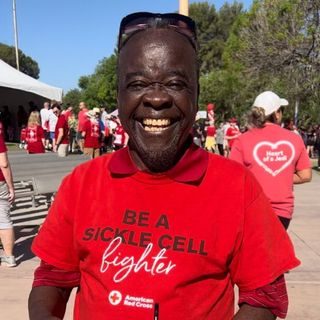 Moses AkpanFounder & President, Sickle Cell Foundation of ArizonaOpened the season, announced the proclamation, introduced Blossom Where You Are Planted, and named the six founding hospitals of the Council.
 Dr. Robert GillioCo-Host & Chief Medical Officer, The Force for Health® NetworkFramed stigma as a failure of empathy rather than sympathy, and made the case for pattern tracking as what a family carries into a fifteen-minute appointment.
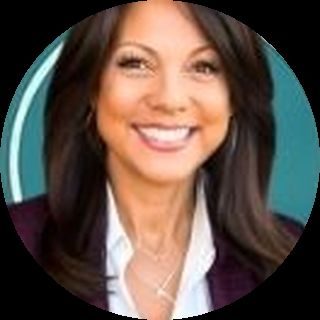 Coach Lucy HowellCo-Host & CEO, The Force for Health® NetworkHosted the hour, walked the rebuilt Family Health Tracker on screen, and tied technology, community support and partnerships together as one system.
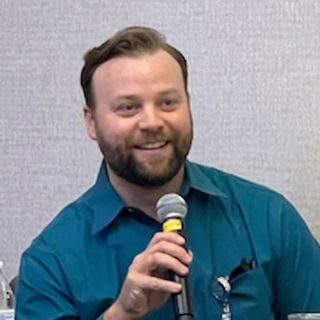 Mike Pogge, MSN, AGACNP-BCCo-Host · Acute Care Nurse Practitioner, Chandler Regional Medical CenterFirst episode as co-host. Brought the clinical view: the relay-race handoff, the crisis action plan, and what flu season asks of a sickle cell patient.
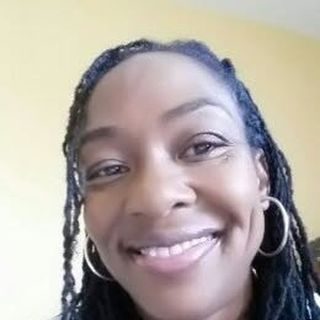 AkilahSpecial Guest · Community Health Worker, Sickle Cell Foundation of ArizonaSpecial guest. Spoke as both a community health worker and a person living with sickle cell — on community, on what warriors share without explaining, and on stigma that has not gone away in twenty years.
This recap is provided by our strategic network partner, The Force for Health® Network.